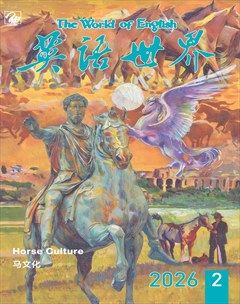


For over 5,000 years, horses have galloped1 alongside humanity, transforming from wild creatures into trusted companions that reshaped civilizations. These magnificent animals have served as warriors’ mounts, farmers’ partners, and symbols of divine power across cultures worldwide. Their hoofprints mark every chapter of human history, from the battlefields of ancient Rome to the therapeutic centers of modern medicine.
悠悠五千余载,马与人类相伴驰骋,从荒野走兽蜕变为重塑人类文明的可信伙伴。这些雄健的生灵在世界各地的文化中有着多种身份:是战士的坐骑,是农人的良伴,亦是神权的象征。从古罗马战场到现代医学的康复中心,人类历史的每一个篇章皆有马蹄作注。
Understanding horses in culture reveals how deeply intertwined our species has become. Whether thundering across Mongolian steppes2 or performing in Olympic arenas, horses continue to embody humanity’s aspirations for freedom, power, and grace. This exploration of equestrian3 history uncovers the remarkable ways horses in society have influenced warfare, religion, art, and daily life across continents and centuries.
解读马在文化中的地位,便能洞见人与马的羁绊何其深厚。无论在蒙古草原上奔腾,还是在奥运赛场上竞逐,马始终承载着人类对自由、力量与风度的向往。探寻这段驭马史,可揭示马匹如何横跨疆土、纵贯千年,在战争、信仰、艺术和日常生活中对人类社会产生非凡的影响。
Ancient civilizations and the rise of horse culture
古代文明与马文化的兴起
Egypt: chariots of the pharaohs
埃及:法老的神驹战车
Ancient Egypt elevated horses from mere animals to symbols of royal power. Egyptian pharaohs commissioned elaborate burial chambers filled with horse figurines, believing these noble steeds4 would carry them through the afterlife. The famous chariot races along the Nile weren’t just entertainment—they were displays of divine authority that reinforced the pharaoh’s connection to the gods.
古埃及将马从凡畜擢升为王权的象征。法老们敕造摆满马俑的精致墓室,寄望神驹载其通往来世。尼罗河畔闻名于世的战车竞技并非只是娱乐,更是神权的彰显,强化了法老与神明的连结。
Egyptian horses pulled war chariots that dominated battlefields for centuries. The lightweight, two-wheeled design allowed for swift attacks and strategic retreats, revolutionizing military tactics throughout the ancient world.
埃及马匹牵引战车,主宰战场数个世纪。这种轻便的双轮设计赋予了军队快速袭击与战略撤退的能力,彻底革新了古代军事战术。
Greece: mythology meets reality
希腊:神话交映现实
Greek civilization wove horses so deeply into their cultural fabric that the animals became mythological beings. Pegasus5 soared through Greek literature as the winged horse of inspiration, while centaurs6 represented the wild, untamed spirit that horses embodied.
希腊文明将马深深织入文化肌理,使之化身为神兽。天马珀加索斯作为灵感的象征翱翔于希腊文学,半人马则呈现了马匹的狂野不羁。
Beyond mythology, Greek cavalry units proved decisive in countless battles. The famous Companion Cavalry of Alexander the Great consisted of elite horsemen who helped conquer territories spanning from Egypt to India. These mounted warriors didn’t just win battles—they spread Greek culture across three continents.
神话之外,希腊骑兵在无数战役中笃定乾坤。亚历山大大帝麾下著名的“伙友骑兵”都是精英骑手,助其征服了自埃及到印度的广袤领土。这些马背上的战士不仅赢得了战争,更将希腊文化播撒至三大洲。
Rome: engineering victory
罗马:工程致胜之道
Roman military engineers perfected equestrian warfare through systematic breeding programs and tactical innovations. Roman warhorses stood taller and stronger than their predecessors, capable of carrying heavily armored soldiers into battle.
罗马军事工程师凭借系统育种和战术创新,把骑兵战法推向极致。罗马战马身躯比前代更高大强壮,足以驮载全副武装的重装士兵冲锋陷阵。
The Circus Maximus7 hosted chariot races that drew crowds of 250,000 spectators, making it the largest sporting venue in ancient history. These events weren’t merely entertainment but served as political tools where emperors demonstrated their wealth and connection to divine favor.
马克西穆斯竞技场举办的战车竞赛曾吸引25万观众,那里堪称古代最大的赛场。这些赛事不只是纯粹的消遣,更是皇帝展示财富及天眷的政治筹码。
Nomadic cultures: masters of the saddle
游牧文化:鞍背上的主宰
Mongol Empire: the world’s greatest horsemen
蒙古帝国:无双铁骑
No culture integrated horses more completely into their identity than the Mongols. Each Mongol warrior maintained multiple horses, rotating between them during long campaigns to maintain peak performance. This system allowed Mongol armies to cover unprecedented distances—sometimes 100 miles per day.
若论将马全然融入民族认同,没有任何文化能出蒙古之右。每一位蒙古战士都配有多匹战马,长途行军时轮换骑乘,力求保持最佳状态。有赖这一制度,蒙古大军可跨越前所未有的距离——有时甚至日行百英里(约160公里)。
Mongolian horses developed extraordinary endurance through centuries of selective breeding in harsh steppe conditions. These hardy animals could survive on minimal food while carrying warriors across frozen tundra8 and scorching deserts, enabling the Mongol Empire to become the largest contiguous empire in world history.
蒙古马在草原的严酷环境中历经数百载的选育,进化出非凡的耐力。这些坚韧的生灵仅需极少的食物,却能驮着战士穿越冰冻苔原与灼热大漠,助推蒙古帝国成就世界历史上疆域连绵最广的霸业。
Native American transformation
北美原住民的生活蜕变
The arrival of Spanish horses in the Americas during the 16th century transformed Plains Indian cultures overnight. Tribes like the Lakota, Cheyenne, and Comanche adapted so successfully to horse culture that many people assume horses were always part of Native American life.
16世纪西班牙马传入美洲,一夜之间改变了平原印第安文化。拉科塔、夏延和科曼奇等部落完全适应了马背生活,以至许多人误以为马自古就是北美原住民生活的一部分。
Horses revolutionized buffalo hunting, allowing hunters to pursue massive herds across vast prairies9. This abundance of food enabled Plains tribes to develop rich artistic traditions, elaborate ceremonial practices, and complex social structures that flourished for centuries.
捕猎野牛的方式也因马而彻底改变,猎人得以在广袤草原上追逐大规模兽群。丰饶的食物催生出平原印第安部落绚烂的艺术传统、繁复的仪式规程和庞杂的社会结构,兴盛延绵了数个世纪。
Bedouin heritage
贝都因的大漠遗珍
Desert-dwelling Bedouins developed such intimate relationships with their horses that the animals became family members with detailed genealogies10 passed down through generations. Arabian horses, bred by Bedouin tribes, possessed unmatched endurance and intelligence, making them ideal partners for desert survival.
长居沙漠的贝都因人和马匹极为亲密,甚至视其为家庭成员,代代传承详尽的家谱。由贝都因部落培育的阿拉伯马,耐力与智慧无与伦比,堪称沙漠生存的最佳伙伴。
Bedouin oral traditions include thousands of stories celebrating individual horses’ bravery, loyalty, and supernatural abilities. These tales weren’t just entertainment but served as breeding records that maintained bloodline purity for over 1,000 years.
贝都因的口述传统中,颂扬良驹英勇、忠诚与超凡能力的故事数以千计。这些传说不仅是趣闻,更是维系其血统纯正逾千年的繁育记录。
Medieval Europe: the age of chivalry
中世纪欧洲:骑士精神的时代
Knights and warhorses
骑士与战马
Medieval European society elevated horse ownership to an art form through the chivalric code. Knights invested fortunes in their destriers—massive warhorses bred specifically for battle. These animals wore custom armor and received training comparable to their human riders.
中世纪欧洲社会借骑士准则将养马升格为一门艺术。骑士们不惜重金购置战马——专为战斗培育的大型骑用马。这些战马身披定制的马铠,受训之严苛不亚于人类骑手。
The bond between knight and horse represented more than a military partnership. Medieval literature celebrated this relationship through epic poems and romantic tales that established horses as symbols of nobility, courage, and divine favor.
骑士与马的羁绊远超作战搭档。中世纪文学以史诗与浪漫传奇歌颂这种关系,将马确立为高贵、勇气与神恩的象征。
Agricultural revolution
农业革命
Beyond warfare, horses transformed European agriculture through improved plowing techniques and transportation systems. Heavy draft horses could work longer hours than oxen while covering greater distances, increasing crop yields, and enabling long-distance trade networks.
征伐之余,马匹经由改良的耕作技术与运输系统重塑了欧洲农业。重型挽马比牛耐力更久、行路更远,既增加了作物产量,也连接起长途贸易网络。
Medieval towns organized around horse-based transportation, with wide streets designed for mounted traffic and specialized craftsmen dedicated to horseshoeing, harness-making, and veterinary11 care.
中世纪围绕马匹运输进行城镇规划,宽阔的街道适于骑行交通,钉蹄、马具制作和兽医护理等专业工匠也应运而生。
Modern societies: evolving partnerships
现代社会:与时俱进的伙伴关系
Sport and recreation
体育与休闲
Contemporary horse culture thrives through diverse sporting disciplines that showcase the animals’ athletic abilities. Olympic equestrian events draw global audiences who appreciate the subtle communication between horse and rider required for dressage12, show jumping, and cross-country competitions.
当代马文化通过多个体育项目蓬勃发展,这些项目展现出马的运动能力。奥运马术比赛吸引了全球目光,观众可以欣赏到盛装舞步、场地障碍赛和越野赛中骑手与马之间那微妙的默契。
Horse racing generates billions in economic activity worldwide, from Kentucky Derby traditions to Royal Ascot pageantry. These events preserve centuries-old breeding traditions while embracing modern training techniques and veterinary science.
从美国肯塔基德比的传统到英国皇家阿斯科特赛马会的盛典,赛马在全球经济活动中创造了数十亿美元的价值。这些活动既保留了数百年的育种传统,又融合了现代训练技术与兽医学。
Therapeutic applications
马的疗愈力量
Modern medicine recognizes horses’ unique ability to facilitate healing through equine-assisted therapy programs. Horses help individuals with physical disabilities, PTSD, and developmental challenges by providing non-judgmental companionship and opportunities for physical improvement.
现代医学证实,马在辅助治疗项目中独具促进康复的功效。马匹可以提供非评判性陪伴,并为改善身体状况创造条件,以此帮助身体残疾、创伤后应激障碍及发育障碍的患者。
Research demonstrates that interaction with horses reduces stress hormones while increasing oxytocin production, creating measurable health benefits for participants across all age groups.
研究表明,与马互动能降低压力激素,增加催产素的分泌,为各年龄段的患者带来显著的健康裨益。
The story of horses in culture reflects humanity’s own evolution from nomadic hunters to global citizens. Across every civilization and continent, horses have served as catalysts for exploration, conquest, artistic expression, and personal growth. Their influence extends far beyond transportation or warfare—they’ve shaped languages, religions, and social structures that define human civilization.
马的文化故事折射出人类自身从游牧猎人向全球公民演变的历程。跨越每一个文明,遍及每一片大陆,马始终是探索、征服、艺术表达与个人成长的催化剂。它们的影响力远远超越了交通运输与军事征战的范畴——它们塑造了定义人类文明的语言、宗教与社会结构。
(译者为“《英语世界》杯”翻译大赛获奖者)
1 gallop(马)飞奔,疾驰。 2 steppe(尤指西伯利亚、亚洲的)大草原。 3 equestrian马的,骑术的。
4 steed〈诗/文〉骏马,坐骑。 5 Pegasus珀加索斯,希腊神话中著名的双翼神马,中文通称天马。 6 centaur半人马,希腊神话中半人半马的生物,上半身为人类躯干,下半身为马身。
7 马克西穆斯圆形竞技场,古罗马时代的首个战车竞技场。
8 tundra苔原,冻原。 9 prairie(特指北美的)草地,牧场。
10 genealogy家系,血统。
11 veterinary兽医(学)的。 12 dressage花式骑术训练;盛装舞步。