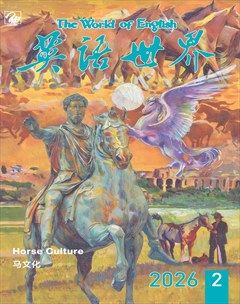


Long before the invention of the wheel, before the rise of empires or the written word, there stood two beings on the threshold of history: the horse and the human. One, a powerful, alert animal of the plains, capable of galloping for miles with explosive grace. The other, a fragile-looking primate with an enormous brain and a hunger for understanding. Their meeting would shape the course of civilization.
早在车轮发明之前,在帝国崛起或文字出现之前,历史的门槛上就已伫立着两种生灵:马与人类。一方是草原上强健机敏的动物,能以狂放的优雅长途驰骋;另一方是看似脆弱的灵长类,却拥有强大的智力和求知的渴望。二者的相遇注定会塑造文明的进程。
The horse did not begin as humanity’s servant. In the early days, around 6,000 years ago on the steppes of what is now Ukraine and Kazakhstan, wild horses roamed freely in the open grasslands, wary of predators and humans alike. They were prey animals—highly sensitive to threat, constantly tuned to the vibrations of the earth beneath their hooves and the shifting winds above. Yet something changed when early humans began to observe their movements, mimic their rhythms, and eventually approach with patience rather than violence.
马并非从一开始就是人类的仆从。早期,大约六千年前,在如今乌克兰和哈萨克斯坦所在的草原上,野马自由游荡于广袤草场,对捕食者和人类同样警惕。它们是猎物——对威胁高度敏感,时刻关注蹄下大地的震动和头上风向的流转。然而,当早期人类开始观察它们的动作,模仿它们的节奏,最终以耐心而非暴力接近它们时,某种改变发生了。
This was not a bond formed overnight. It was a relationship born of mutual respect, curiosity, and necessity. Early domestication of horses marked one of the most significant evolutionary turning points for both species. With the horse, humans could move faster, carry more, explore farther. With the human, horses gained protection, access to food, and, ultimately, a new place in the evolutionary web—not as hunted, but as partnered.
这纽带并非一蹴而就,而是源于相互尊重、彼此好奇与各有所需的关系。马的早期驯化对于两个物种都是最重要的进化转折点之一。有了马,人类得以移动更快、承载更多、探索更远。有了人类,马获得了保护和食物来源,并最终在进化之网中获得了新的位置——不再是猎杀的对象,而是人类的伙伴。
How two nervous systems learned to speak
两套神经系统如何学会对话
The human-horse bond is not only cultural—it is biological, neurologically intimate. Unlike most domesticated animals, horses have not been bred for tameness to the same extent as dogs or livestock. Their nearness to their wild ancestors means they retain a vivid, visceral sense of fear. This, paradoxically, makes them deeply attuned to emotional cues.
人与马之间的纽带不仅是文化层面的,更是生物性的、神经系统层面的紧密连接。与大多数被驯化动物不同,对马的驯化选育从未达到犬类或家畜那般程度。它们与野生祖先的相近意味着它们保留着鲜明而本能的恐惧感。然而悖论却是,这恰恰使它们能深切感知情绪的细微变化。
Recent studies in equine cognition reveal that horses are able to read human facial expressions, distinguishing between anger, joy, and neutrality. They respond differently to a smiling human than to a frowning one, even if they’ve never encountered that person before. Their large, laterally positioned eyes—able to see nearly 360 degrees around them—detect the smallest of changes in posture or tension. They sense human heart rates and respiration and often mirror them, a phenomenon scientists call physiological synchrony.
马类认知研究的最新进展显示,马能够解读人类的面部表情,区分愤怒、喜悦和中性情绪。它们对微笑的人类和皱眉的人类反应有别,即使从未见过此人。它们位于头部两侧、视野近乎360度的硕大眼睛,能捕捉到姿势或紧张度的最细微变化。它们能感知人类的心率和呼吸,并常常会镜像化这些节奏,科学家称此现象为“生理同步”。
This mutual feedback loop is not unique to horses, but it is unusually strong. When a rider feels fear, a horse often responds with nervousness. When a human breathes calmly, the horse slows its own rhythm. Riders sometimes say that a horse “feels” their mood—and they’re not far off. It’s not magic, but biology. The horse’s nervous system is a mirror to our own.
这种交互反馈回路并非马类独有,但是马类的表现异常强烈。当骑手感到恐惧,马常以紧张回应。当人类呼吸平稳,马也会放缓自己的节奏。骑手有时会说马能“感知”他们的情绪——此言不谬。这并非魔法,而是生物学。马的神经系统正是我们自身神经系统的一面镜子。
The language without words
无词的语言
What allows this silent conversation to flourish is the way horses communicate. As prey animals, horses evolved to rely on subtlety. In a herd, loud noises or flashy displays could attract predators. Thus, their social world is built on quiet signals—shifts in weight, a flick of the ear, the angle of a head. When humans enter this world with patience and empathy, we begin to adopt that language ourselves. We stop shouting. We begin to feel.
马的沟通方式让这种静默对话得以顺畅进行。